

Can AI Replace the Doctor-Patient Relationship? Not Even Close.
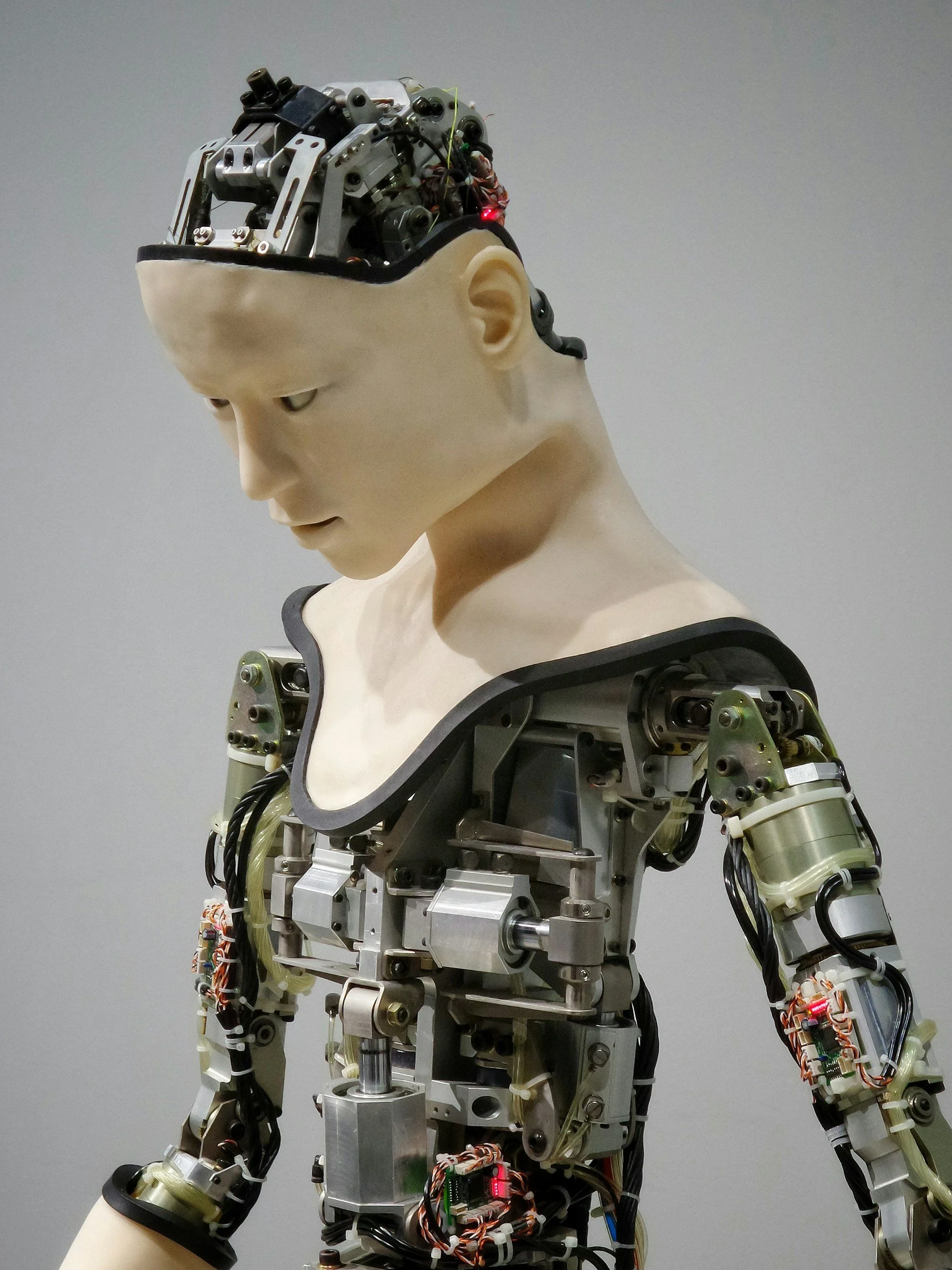
AI can support care, but only relationships can heal.
We’re all caught up in the artificial intelligence revolution. Every industry is feeling the impact—and healthcare is no exception. But one question I keep returning to is this: How does AI actually affect the doctor-patient relationship?
My short answer? It doesn’t—not really.
AI is a tool, much like email or text messaging. It can enhance communication and support logistics, but the true heart of the doctor-patient relationship is built on trust, shared experience, and human understanding. No algorithm can replace that.
Let me give you an example from my own background. Before entering healthcare, I worked in project management. I’ve watched AI tools write meeting minutes, assign follow-up tasks, and even send reminders to team members. A lot of the day-to-day work of a project manager can now be automated.
But here's the catch: a good project manager isn’t just a taskmaster—they’re a relationship builder. They understand the politics, the personalities, the subtle dynamics at play. Sure, the AI can tell John to email Susan about a materials order. But what it doesn’t know is that Susan recently proposed a budget cut that eliminated half of John’s team. Now you’ve got tension that a bot can’t sense, much less navigate.
AI might make project management more efficient, but it can’t replace the human judgment needed to manage complexity. The same goes—tenfold—for healthcare.
To be honest, I’ve seen how AI can generate treatment plans for patients based on certain diagnoses. I’ve been both impressed and dismayed by how much we’re now able to outsource. That said, I’m not a provider—so what do I really know about treatment plans?
But what I do know is this: even the best AI can’t navigate the non-medical realities that carry massive medical implications. What if a patient can’t pursue a treatment plan because they lack access to resources, medications, or the education required to follow through? What if they’re hesitant because of fear, trauma, or previous experiences? Or what if their religious or cultural beliefs prevent them from pursuing certain interventions? These are deeply human considerations—and they require a deeply human connection to navigate. That’s something only a trusted provider can offer.
And that’s the foundation of our practice.
At Ke Ola Noa, we’re going all-in on the doctor-patient relationship. It's not just a part of our model—it is the model. We believe this relationship is the cornerstone of truly excellent care, and we’re building everything around it.
Now, full transparency: I use AI every day. In fact, I’m using it right now. My usual process for writing blog posts is to record a voice memo where I riff on a topic—like this one—and then I ask my AI assistant to help shape it into something readable. It polishes my grammar, tightens my thoughts, and organizes the content into something coherent.
AI helps me do the things I don’t particularly enjoy: proofreading, formatting, and sometimes even idea generation. But to say that AI will replace humans is a narrow and short-sighted view. Instead, AI should help us make more space for the things that matter—like creation, ideation, storytelling, and relationship-building.
So what does this mean for you as a patient?
You might notice that some of our communications have a little “AI polish.” You might hear us mention how we use AI behind the scenes to help run our practice more smoothly. And that’s true—we do.
But what you should always expect from us is a deep, personal connection with your provider—one that’s rooted in empathy, continuity, and care. That’s not just our promise. It’s our purpose.
